Cat Acting Like Self Again Insulin
What is diabetes mellitus?
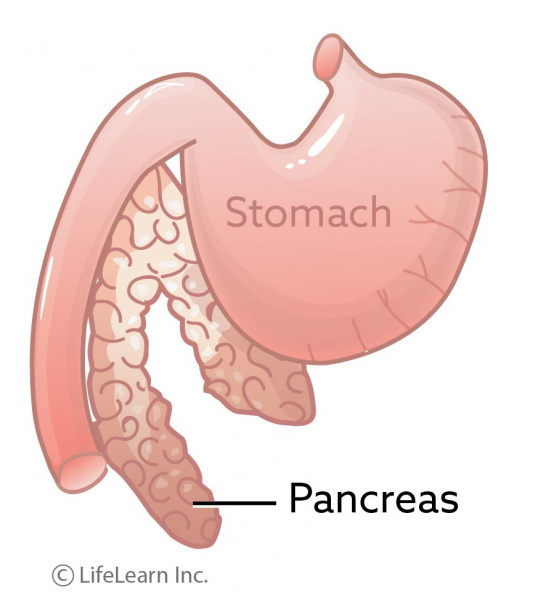
Diabetes mellitus is a disease of the pancreas, a small organ located near the stomach. The pancreas has two different types of cells that have very unlike functions. One grouping of cells produces the enzymes necessary for proper digestion. The other grouping, chosen beta cells, produces the hormone insulin, which regulates the level of glucose (sugar) in the bloodstream and controls the commitment of glucose to the tissues of the body. In uncomplicated terms, diabetes mellitus is caused by the failure of the pancreas to regulate blood sugar.
The clinical signs of diabetes mellitus are related to elevated concentrations of blood glucose and the disability of the body to utilize glucose every bit an energy source.
What are the clinical signs of diabetes mellitus in cats?
The 4 primary symptoms of diabetes mellitus are increased thirst, increased urination, weight loss, and increased appetite. Because of the nature of cats, these signs may go unnoticed, especially in the early stages of affliction or if a cat spends a lot of time outdoors. Cats that are fed canned or semi-moist diets receive much of their water intake from their food, and increased water intake will exist harder to recognize.
Are there different types of diabetes mellitus in cats?
Diabetes mellitus is usually classified into iii types of disease:
Type I diabetes mellitus results from full or near-complete destruction of the beta cells. This appears to be a rare blazon of diabetes in the cat.
Type 2 diabetes mellitus is dissimilar because some insulin-producing cells remain, simply the amount of insulin produced is insufficient, at that place is a delayed response in secreting information technology, or the tissues of the cat's torso are relatively insulin-resistant. Obesity is a predisposing cistron in type 2 diabetes, which appears to be the virtually common type of diabetes in the cat.
Blazon Three diabetes results from insulin resistance acquired by other hormones and can be due to pregnancy or hormone-secreting tumors.
How common is diabetes mellitus in the cat?
Diabetes mellitus is the second most common endocrine disease in cats. It is seen more often in middle-aged to senior cats and is more common in males than females. While the verbal incidence is unknown, the number of diabetic cats is increasing at an alarming rate due to the tremendous increase in the number of overweight and obese cats. It is important to note that a cat three pounds over its platonic weight is considered obese, and that means the average domestic cat weighing 13 pounds or more is at loftier adventure for developing blazon 2 diabetes mellitus.
How is diabetes mellitus diagnosed?
Diabetes mellitus is diagnosed past the presence of the typical clinical signs (excess thirst, excess urination, backlog appetite, and weight loss), a persistently high level of glucose in the claret, and the presence of glucose in the urine. Diabetes is the most mutual disease that will cause the blood glucose level to rise substantially.
To conserve glucose within the body, the kidneys exercise non filter glucose out of the claret stream into the urine until an excessive level is reached. This means that cats with normal claret glucose levels volition not have glucose in the urine. Diabetic cats, however, have excessive amounts of glucose in the blood, so it spills into the urine. Once blood glucose reaches a certain level, the excess is removed past the kidneys and enters the urine. This is why cats and people with diabetes mellitus have sugar in their urine (glucosuria).

Definitive confirmation of feline diabetes mellitus may require a specialized test chosen a serum fructosamine test. This test tells us average blood glucose levels over the past seven -xiv days.
How is diabetes mellitus treated in cats?
Diabetes mellitus is a treatable condition. Although long-term treatment requires commitment and dedication, it tin can be rewarding to manage this condition successfully in a dearest cat.
Initial steps in treating a diabetic true cat include removing potential predisposing causes for the diabetes. For example, some medications such as corticosteroids predispose cats to develop diabetes, and withdrawal of these drugs may pb to resolution of the condition. Obesity is a gamble gene for diabetes in cats, so weight normalization may really atomic number 82 to resolution of diabetes in some cats.
"All cats with diabetes mellitus benefit from existence fed a well-balanced diet."
All cats with diabetes mellitus benefit from being fed a well-counterbalanced nutrition, and your veterinary is the best source for guidance about which food contour volition best benefit your cat. Many cats with diabetes mellitus benefit from a diet that is loftier in protein and relatively low in carbohydrates considering a relatively low carbohydrate diet decreases the amount of glucose captivated from the intestinal tract and lowers the requirement for insulin. Unfortunately, while diet is a disquisitional element of diabetes management success in cats, it is generally not equally easy as making a uncomplicated nutritional pick. 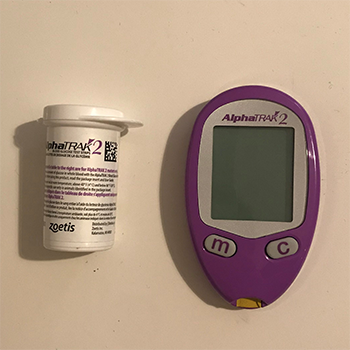
Most cats require regular insulin injections to control the diabetes mellitus, at least initially. Your cat may require several hospital visits until an advisable insulin dosage is determined. New engineering science has allowed the adoption of habitation glucose monitoring with the use of a unproblematic device, such equally an AlphaTrak® 2. Additional home monitoring can involve the evaluation of urine for the presence of glucose, although this is not a very sensitive way to monitor glucose levels and insulin changes should not exist made based on urine glucose levels. Near cats will accomplish initial stabilization within a few days to a few weeks, and will require one time or twice daily injection of a small dose of insulin. Very small-scale needles are bachelor which cause no pain to the true cat, and inside a short fourth dimension the procedure becomes routine. Insulin 'pens' are now available which make it even easier to give your pet an insulin injection. Your veterinarian will make up one's mind the appropriate administration frequency, dosages, and type of insulin that your true cat requires.
Do treated cats demand to be monitored?
Yep, information technology is important to monitor treatment of diabetes mellitus to be sure the true cat is doing well. Home monitoring of blood glucose is becoming more pop and more common, although part of treatment monitoring will involve periodic blood samples collected by your veterinarian.
To assist in the intendance of your cat, information technology is specially valuable to keep authentic records of the following information:
Daily tape:
- time of insulin injection
- amount of insulin injected
- amount and time of nutrient fed and eaten
- amount of water drunk
Weekly record:
- weight of the cat
Although urine test strips cannot be used to guide insulin dose it may exist valuable to monitor the quantity of glucose passed in the urine to identify demand for further testing including full glucose curves or other laboratory tests.
To collect cat urine, information technology is usually easiest to supercede the normal true cat litter with specially designed urine collecting pellets or with clean and done aquarium gravel overnight. These materials will not soak up any urine, which can then be collected into a clean container for testing. Your veterinarian may provide you with exam strips to dip into the urine and measure the sugar level. If there is a marked change in the corporeality of glucose in the urine or in blood glucose levels, this may point the demand to modify the insulin dose, but you lot should never alter the dose of insulin without first discussing information technology with your veterinarian. Changes in insulin doses are usually based on trends in claret glucose levels, as in that location is normally some day-to-day variation.
What happens if my cat receives too much insulin?
If a cat receives as well much insulin, it is possible for the blood sugar level to drop dangerously low (hypoglycemia). For this reason, information technology is important to be very conscientious to ensure the cat receives the right dose of insulin.
"If a true cat receives likewise much insulin, it is possible for the blood sugar level to drop dangerously low."
Clinical signs displayed past a true cat with a very low claret sugar level include weakness and sluggishness, shaking, unsteadiness and fifty-fifty convulsions. If a diabetic cat shows whatever of these signs information technology is important to take a blood glucose reading if you have a habitation monitoring device, and seek immediate veterinarian attention. In mild cases of hypoglycemia, you may observe wobbling or a 'drunken' walk, or the true cat may seem sedated when you call or pet them. Low blood saccharide is a medical emergency! Your veterinarian can advise you about specific emergency treatment of low blood sugar in your true cat that you tin can deliver at home until the cat can be seen by a veterinarian.
schrivervaunparly.blogspot.com
Source: https://vcahospitals.com/know-your-pet/diabetes-mellitus-in-cats-overview
0 Response to "Cat Acting Like Self Again Insulin"
Post a Comment